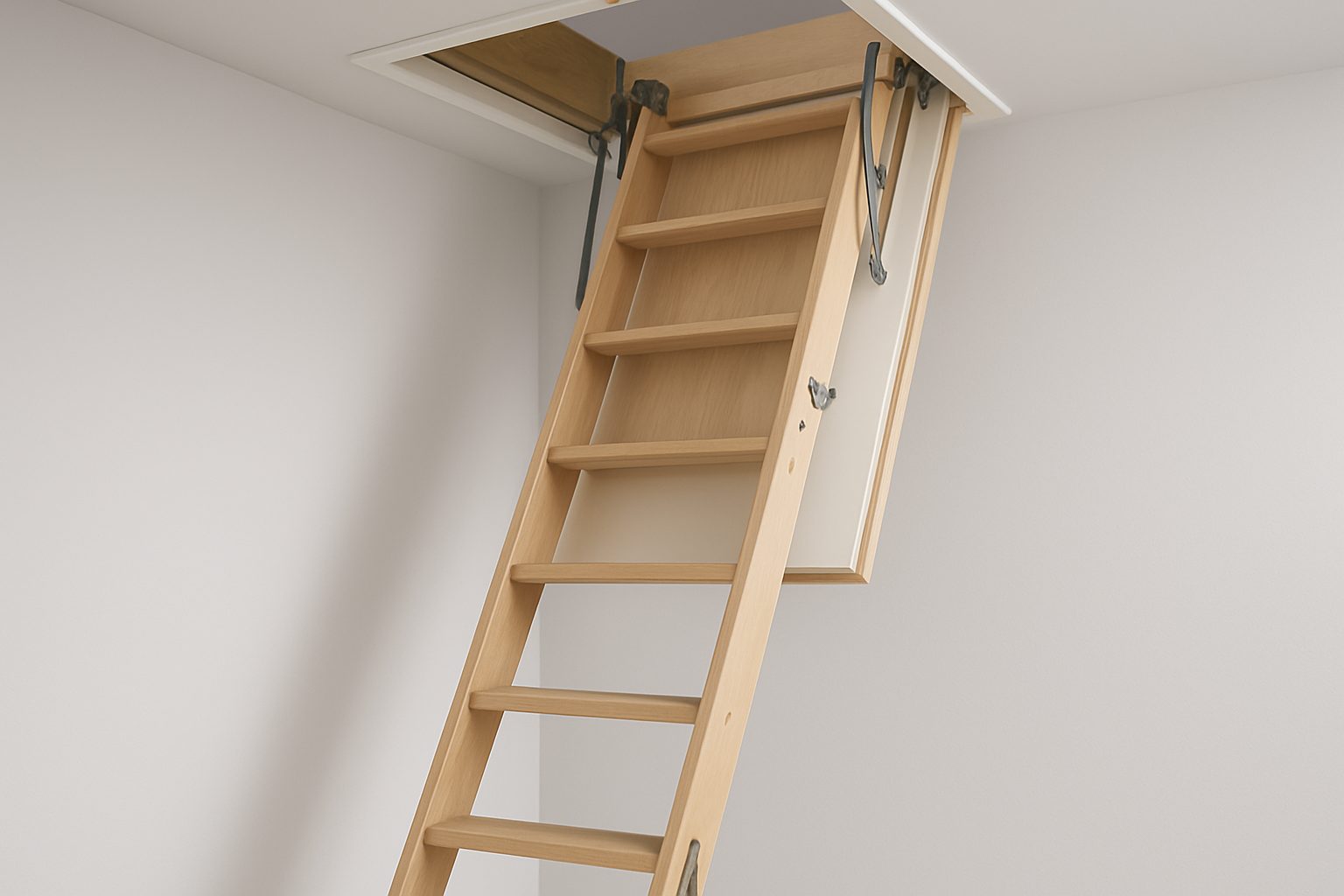
What Should Be Considered When Buying a Loft Ladder?
Choosing suitable equipment involves more than comparing prices or materials. Homeowners should evaluate the property layout, access frequency, load capacity, installation method, and product documentation before purchasing loft ladders. The selected model should fit the opening, operate within the available space, and provide secure footing during use. Checking these factors in advance can reduce installation difficulties and help establish a safer route between the living area and loft.
Which Ladder Design Is Appropriate for Different Homes?
Folding ladders are often considered where ceiling space is limited and the equipment needs to be stored out of sight. Sliding models may suit layouts where their movement can be accommodated. Telescopic designs can offer compact storage, subject to the manufacturer’s requirements.
No design is automatically appropriate for every property. Ceiling height, opening size, available floor area, user needs, and structural conditions should guide the selection. Review the installation drawings before making a final decision.
How Can Product Documentation Help?
Reliable documentation explains the intended application, maximum load, installation procedure, maintenance requirements, and safe operating method. It may also identify relevant product standards and conformity information.
Homeowners should retain the instructions after installation so that future inspections and repairs follow the correct procedure. If documentation is missing or contradictory, contact the manufacturer or supplier for clarification before relying on the equipment.
What Installation Errors Should Be Avoided?
Common problems include inaccurate measurements, unsuitable fixings, inadequate clearance, and failure to secure the mounting frame correctly. Altering the ladder without approval or replacing original components with incompatible parts can also affect performance.
The installation must follow the instructions for the exact model. Where the supporting structure is damaged, difficult to access, or unsuitable for the prescribed fixing method, professional assessment is advisable. Do not compensate for an unstable frame by adding improvised supports.
Why Is the Surrounding Area Important?
A well-installed ladder can still be difficult to use if the surrounding area is cluttered. Furniture, boxes, loose rugs, and poorly positioned lighting may obstruct movement or increase the likelihood of a fall.
Keep the opening and landing zone clear before extending the ladder. Ensure the floor beneath it is stable and that doors or other moving objects cannot interfere with access. The loft entrance should remain easy to identify and reach whenever the ladder is needed.
What Maintenance Is Necessary for Different Materials?
Timber ladders should be checked for cracks, loose joints, splintering, and deterioration. Aluminium or other metal models should be examined for bending, corrosion, damaged hinges, and worn connections. All designs require checks of fasteners, feet, treads, and locking systems.
Cleaning should follow the manufacturer’s recommendations. Avoid applying oils, coatings, or lubricants unless the instructions permit them, because unsuitable products can affect grip or damage components.
Should a Damaged Ladder Be Repaired or Replaced?
The decision depends on the nature of the defect and whether an approved repair is available. Minor maintenance may be permitted, but structural damage or a failed locking mechanism can make continued use unsafe.
Use replacement parts specified or approved by the manufacturer. If a repair cannot restore the ladder to its intended condition, replacement may be the more appropriate option. Do not climb equipment while its safety remains uncertain.
Do Loft Conversions Require Additional Checks?
A loft conversion can involve requirements beyond those associated with ordinary storage access. Depending on the project, building regulations may address structural stability, fire safety, insulation, ventilation, and safe means of access.
Homeowners should establish which requirements apply before beginning work. A storage ladder should not be treated as sufficient access for a room intended for regular occupation without checking the relevant requirements.
How Can Long-Term Safety Be Maintained?
Select a suitable model, install it correctly, follow the load limit, and inspect it at appropriate intervals. Keep documentation accessible and address defects promptly. This consistent approach helps homeowners maintain practical loft access while supporting the property’s wider safety requirements.
What You Need to Know
- Homeowners should evaluate property layout, access frequency, load capacity, installation method, and product documentation before purchasing loft ladders.
- Folding ladders are ideal for limited ceiling space, while sliding models work best when their movement can be accommodated.
- Reliable documentation provides essential information about intended application, maximum load, installation procedure, and maintenance requirements.
- Common installation errors include inaccurate measurements, unsuitable fixings, and inadequate clearance that can compromise ladder safety.
- The surrounding area around the ladder must be kept clear to prevent obstruction and reduce the risk of falls during use.
- Loft conversions may require additional checks beyond ordinary storage access, including compliance with building regulations for structural stability and fire safety.