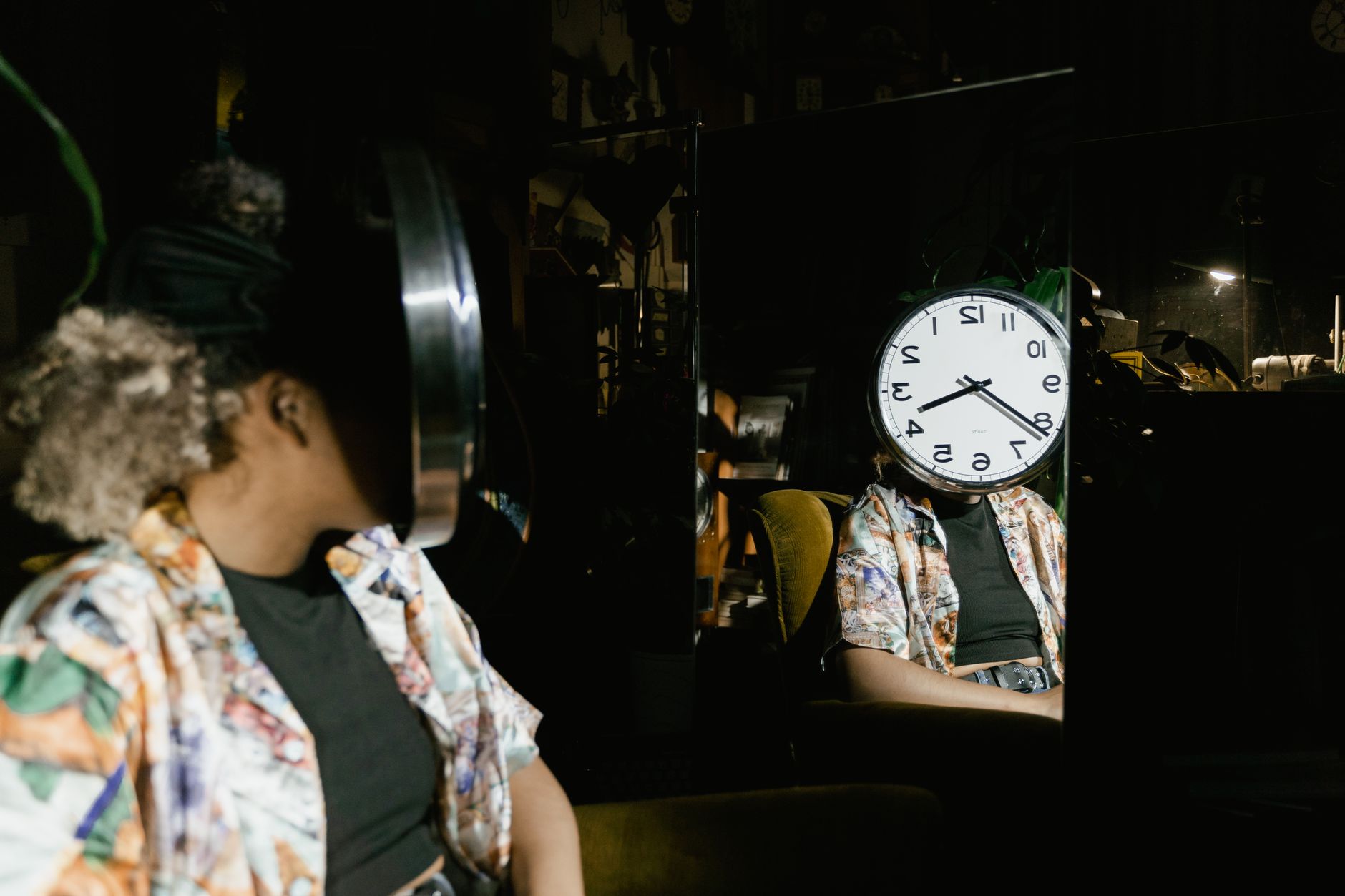
perception of time is, in fact, warped by numerous psychological and environmental factors. This article delves into the intricacies of how we experience time differently.
What is Perception of Time?
The perception of time refers to how individuals experience and interpret the passage of time, which can vary significantly from one person to another and across different situations. This subjective experience can be influenced by various factors, including emotions, age, and activities.
For example, time may seem to fly by during moments of joy and excitement, while it can drag on during periods of boredom or distress. This phenomenon is often described as a discrepancy between clock time and psychological time.
Research has shown that our perception of time can also be affected by external stimuli. When engaged in immersive activities, such as playing video games or enjoying a thrilling movie, people often lose track of time. Conversely, waiting for an important event can make time feel elongated.
Understanding the perception of time is crucial as it plays a significant role in our daily lives, influencing decision-making, productivity, and even mental health. By recognizing the factors that shape our experience of time, we can better navigate our schedules and emotional states.
Factors Influencing Perception of Time
The perception of time can vary significantly based on several factors that influence how we experience its passage. Understanding these factors is essential to grasp the often warped nature of time perception.
- Emotional State: Our emotions play a crucial role in how we perceive time. For instance, time may seem to drag during moments of fear or anxiety, while it appears to fly by during joyful experiences.
- Age: Research suggests that as we age, our perception of time tends to speed up. This phenomenon may be linked to the number of new experiences we encounter as children compared to the routines of adulthood.
- Attention and Focus: When we are highly focused on an activity, time often seems to disappear. Conversely, during mundane tasks, time may feel elongated.
- Culture: Cultural background can shape our relationship with time, affecting how we prioritize punctuality and time management.
These elements collectively contribute to the subjective experience of time, illustrating how the perception of time is not a fixed measure but a complex interplay of various influences.
Perception of Time in Psychology
The perception of time has long fascinated psychologists, as it plays a crucial role in how individuals experience their lives. This cognitive phenomenon can vary significantly from person to person, influenced by numerous factors, including age, emotions, and even cultural background.
Research indicates that our perception of time can be distorted under various circumstances. For instance, during moments of intense fear or excitement, time may seem to slow down, allowing individuals to process events more thoroughly. Conversely, mundane or repetitive activities often lead to a feeling that time is passing quickly.
Several theories attempt to explain these variations in time perception:
- Biological Clock Theory: This concept suggests that our internal biological clocks influence how we perceive time.
- Attention Theory: According to this theory, the amount of attention we devote to an activity can affect our experience of time.
- Emotional Impact Theory: This theory posits that heightened emotional experiences can alter our perception of time.
Understanding the perception of time in psychology not only sheds light on human cognition but also reveals the complexities of our lived experiences.
Cultural Variations in Perception of Time
The perception of time varies significantly across different cultures, influenced by social norms, environmental factors, and individual experiences. In some cultures, time is seen as a linear progression, while in others, it is viewed as cyclical.
For instance, in Western cultures, punctuality and strict adherence to schedules are prioritized, leading to a perception of time as a commodity to be managed efficiently. In contrast, many Indigenous cultures emphasize a more fluid approach, where events occur in relation to natural rhythms rather than fixed clocks.
This divergence can shape how individuals experience daily life. Those from cultures that view time as flexible may find a more relaxed attitude towards deadlines and appointments, potentially leading to a less anxious experience of time passing.
Moreover, variations in language also play a role. Some languages have specific words or phrases that express different aspects of time, which can further influence how speakers of those languages perceive and interpret time.
- Linear cultures: Time is structured and segmented.
- Cyclical cultures: Time is viewed as repeating cycles.
Understanding these cultural variations in the perception of time can offer valuable insights into human behavior and social interactions.
Impacts of Technology on Perception of Time
The rapid advancement of technology has significantly altered our perception of time. With the constant bombardment of notifications and digital distractions, individuals often find themselves losing track of time. This phenomenon is closely related to how we engage with various forms of media.
Many people now experience time in a linear fashion, heavily influenced by the immediacy of information and entertainment. The instant gratification provided by technology can lead to a warped perception of time, where minutes feel like seconds. In contrast, longer activities or tasks can seem to stretch endlessly.
Moreover, the rise of social media has introduced a new dimension to our temporal experience. Users frequently scroll through content, which can distort their sense of time as they become absorbed in the digital world.
Key impacts of technology on perception of time include:
- Accelerated Pace: The speed of information exchange has created an expectation for rapid responses.
- Distraction: Constant notifications disrupt focus, making it harder to gauge time accurately.
- Time Compression: Engaging with multiple digital platforms can compress our perceived time during activities.
Future Research on Perception of Time
Future research on perception of time aims to unravel the complexities of how individuals experience the passing of time. Researchers are eager to explore several intriguing avenues:
- Neuroscience Studies: Investigating the brain’s role in time perception can provide insights into how different neurological conditions affect our ability to gauge time accurately.
- Age-Related Changes: Understanding how age impacts time perception could reveal why children and older adults often experience time differently.
- Cultural Influences: Further exploration of how various cultures perceive time may help identify universal versus culturally specific aspects of time perception.
- Technology’s Impact: As technology continues to evolve, examining its effects on our perception of time could yield important findings, particularly in fast-paced environments.
- Emotional States: Research might delve into how emotions influence time perception, potentially linking heightened emotions to altered time experiences.
These explorations will not only deepen our understanding of the warped nature of time perception but may also have practical applications in fields such as psychology and education.
Photo by Tima Miroshnichenko on Pexels
Sources: Noema Magazine, Perception of time
Related: Proven Factors That Determine the Value of a YouTube Account, Aged YouTube Channels vs. New Channels: A Data-Driven Comparison, No Deposit Casino Codes – Free Chip Promotions for Online Casino Players